When couples start talking to wedding photographers, one question comes up almost every time: should we go for candid photography or traditional photography? The two styles produce very different albums, and most Indian weddings end up needing a bit of both. This guide explains how each style works, what you get from it, and how to decide.
What Is Traditional Wedding Photography?
Traditional wedding photography is the posed, organised style most families know from older wedding albums. The photographer arranges people, sets the light, and makes sure everyone looks at the camera. The aim is a complete record: every ritual, every relative, every important moment on stage.
Traditional coverage usually includes:
- Posed portraits of the bride and groom
- Group photos with each side of the family
- Stage photos with guests at the reception
- Step-by-step coverage of rituals such as the muhurtham, kanyadaan and mangalsutra
- Photos of décor, the mandap and the venue
Elders in the family often care most about these photos. If your grandmother wants a picture with every cousin, traditional coverage is what makes that happen.
What Is Candid Wedding Photography?
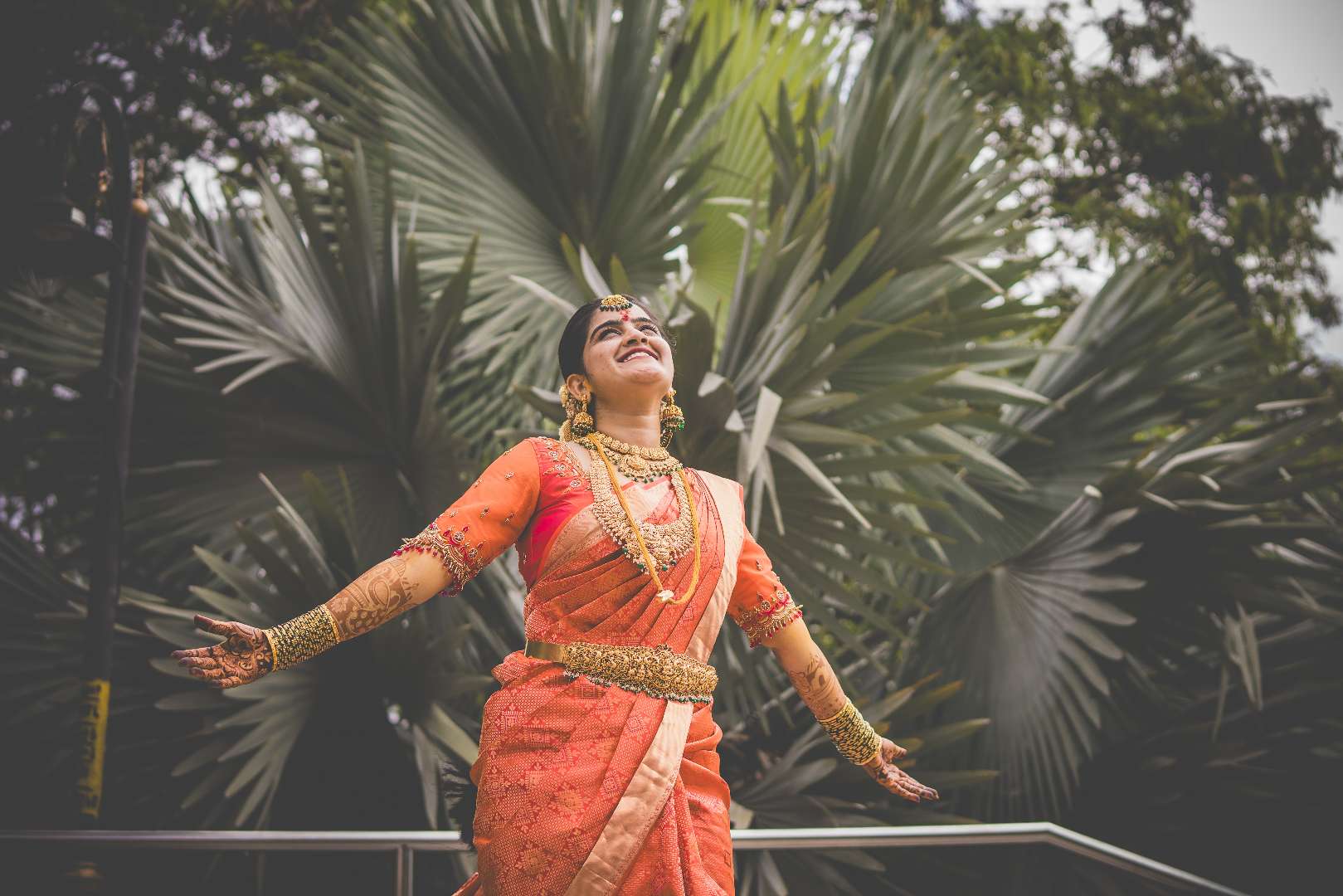
Candid photography focuses on unplanned moments. The photographer stays out of the way and photographs people as they react: the bride's father wiping his eyes, friends laughing during the haldi, the groom's nervous glance before the muhurtham. Nobody is asked to pose.
Candid photographers usually work with longer lenses, natural light and a lot of patience. The final photos feel more like a story than a record. You can read more about this style on our candid photography in Bangalore page.
Candid vs Traditional: The Key Differences
Approach
A traditional photographer directs. A candid photographer observes. One sets up the moment, the other waits for it.
Look and Feel
Traditional photos are evenly lit, centred and formal. Candid photos tend to have more emotion, more movement and a more natural use of light and background.
Coverage
Traditional photography makes sure nobody is missed. Candid photography may skip some guests entirely but will catch the moments that make your wedding feel like yours.
Editing
Candid photos usually go through more careful selection and colour grading, so delivery can take a little longer. Traditional photos are edited for consistency across a large number of frames.
Which One Should You Choose?
For most Indian weddings, the honest answer is both. A typical arrangement is one traditional photographer handling rituals, stage photos and family groups, and one candid photographer following the couple and the emotions around them.
Lean more towards candid if:
- You are camera-shy and dislike posing
- You want an album that reads like a story
- Your wedding is small and the guest list is short
Lean more towards traditional if:
- Your family expects a photo with every relative
- The ceremony has many rituals that need to be recorded in order
- You have a large reception with a long stage queue
Questions to Ask Your Photographer
- How many photographers will be at each event, and who covers which style?
- Can I see a full wedding gallery, not only the best highlights?
- How many edited photos will I receive, and when?
- Will the candid photographer also cover family groups if needed?
If you are planning a wedding in Bangalore and want help working out the right mix, take a look at our wedding photography services or get in touch through the contact page.
Frequently Asked Questions
Is candid photography more expensive than traditional photography?
Candid photography is often priced a little higher because it needs more time for selection and editing. The final cost depends on the number of events, hours of coverage and deliverables.
Can one photographer do both candid and traditional photos?
For a small function, yes. For a full wedding with many rituals and a large guest list, one person cannot be in two places at once, so a two-person team works better.
Do candid photos include family group photos?
Not by default. Group photos are usually handled by the traditional photographer. If you are only booking candid coverage, ask for a short slot to be set aside for family groups.